Boating footage can communicate work, distance and atmosphere in a way that a shore-based montage cannot. It also creates competing demands on attention. The first production decision is therefore whether you can film at all. If you have a lookout, navigation, line-handling or other operational duty, do that duty. This guide concerns storytelling, not seamanship instruction. The skipper’s directions, the vessel’s procedures and current local requirements take precedence over every creative suggestion here.
Brief the filming before boarding
Ask the skipper or operator whether recording is allowed, where you may stand, which equipment is acceptable and when cameras must be put away. Tell the crew what you hope to capture without asking them to change an operational decision. Establish an immediate stop signal and treat it as final, not as the beginning of a negotiation.
Review relevant safety guidance from organisations such as the RNLI, the Royal Yachting Association or the U.S. Coast Guard for your setting. These organisations have different remits, and none is a substitute for the person responsible for your vessel. Do not infer that a camera mount, flotation item or passenger position is suitable simply because it appears in another creator’s video.
Choose less to manage
A phone or small camera may provide all the coverage your story needs. Prepare settings and clean the lens before departure, while you are safely ashore or in an approved position. Stow spare batteries and loose accessories as directed. Any mount, strap or tether needs the operator’s approval because equipment can obstruct movement, snag lines or create another hazard.
Do not treat waterproofing as permission to take more risk. Water resistance varies by device and condition, and salt exposure can damage equipment. A modest, protected setup that you can put away quickly is more useful than a complex rig that demands constant adjustment. If conditions make operation awkward, stop filming rather than trying to save the shot.
Show what the viewer needs to understand
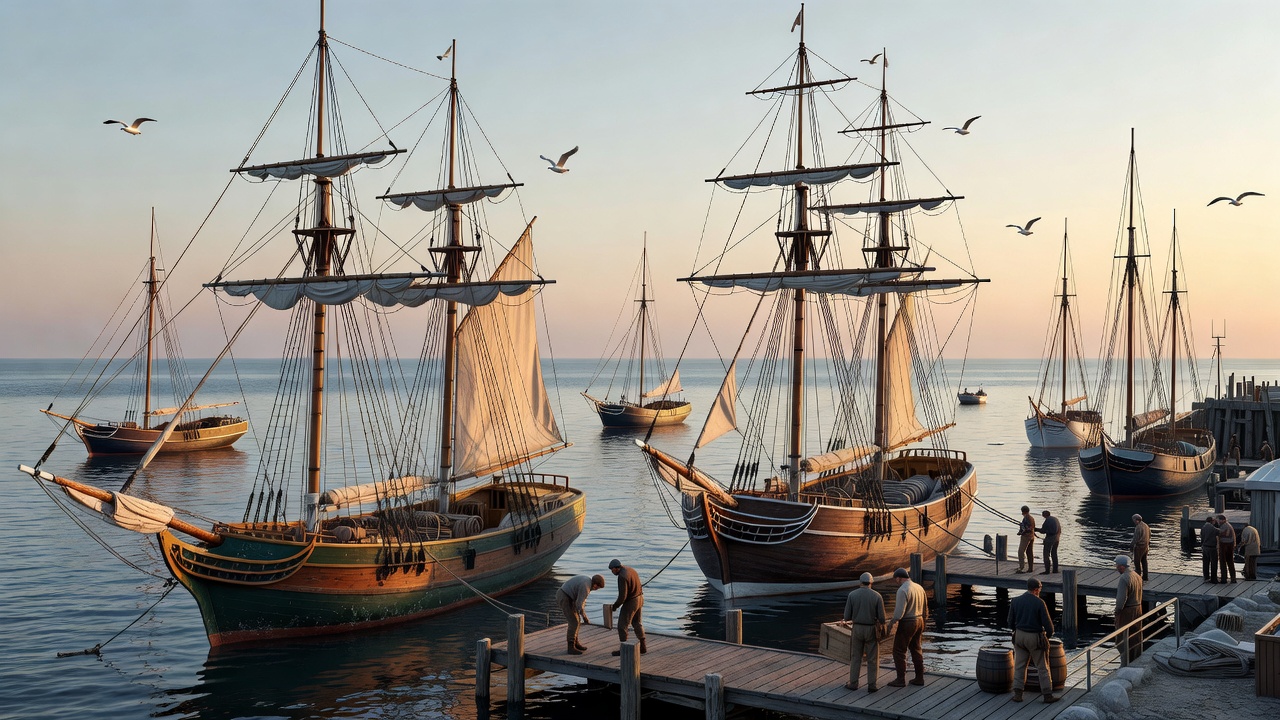
From a permitted position, record an establishing view that explains the boat’s relationship to the harbour or shoreline. Follow with a detail that gives scale: a stowed bag, a seated passenger or a stationary section of deck. Avoid close-ups that require entering working areas or leaning over the side. A useful detail should clarify life aboard, not reward access to a hazardous position.
For a passage on the Solent or within Sydney Harbour, the background can be visually busy. Name the location accurately and avoid presenting your chosen camera angle as a navigational view. A compressed lens perspective can make vessels look closer than they are. Never use that effect to imply a near collision that did not occur.
Let the boat provide the motion
Short, steady clips usually describe a passage better than repeated sweeping pans. Keep your body and equipment within the agreed safe position. If you cannot obtain a stable frame there, accept the limitation. The movement of the shoreline, wake or horizon can already explain travel without an additional camera move.
Capture sound only when doing so does not distract you. Wind may overwhelm speech, so record a later voiceover if necessary and identify it as reflection rather than live dialogue. Do not place microphones near working machinery or communications equipment without permission. Leave essential instructions and announcements audible to the people who need them.
Do not turn weather into a stunt
Use the Met Office, NOAA or the appropriate local marine forecasting authority for your region, alongside the voyage’s actual planning process. A forecast is time-sensitive information, not a guarantee. Your finished reel should distinguish the forecast you checked from the conditions you personally observed, and it should avoid turning either into general departure advice.
If the skipper alters a route, waits or returns, explain that decision without presenting caution as failure. Do not ask for a repeat manoeuvre, a closer wildlife approach or extra speed to improve a clip. A quiet change of plan can provide the most valuable scene because it shows how a responsible voyage responds to reality.
Build a passage, not a performance
Review footage after the operational work is complete. Arrange departure, passage and arrival so the viewer understands the actual order of events. If you combine multiple trips, say so. Avoid cutting between unrelated wakes, weather conditions or ports in a way that suggests a single uninterrupted crossing.
Confirm consent before publishing identifiable passengers or crew. Credit an operator accurately without implying endorsement, and disclose hosted trips or commercial relationships. If your footage lacks a dramatic arrival because you were helping or stowing equipment, use a later shore view and a plain explanation. The story loses nothing important by showing that responsibilities came first.